How Platform Ecosystems Route Encrypted Charge Data Through Automated Settlement Tools for Global Subscription Networks
Quinn Wolf · Sep 28, 2026
How Platform Ecosystems Route Encrypted Charge Data Through Automated Settlement Tools for Global Subscription Networks
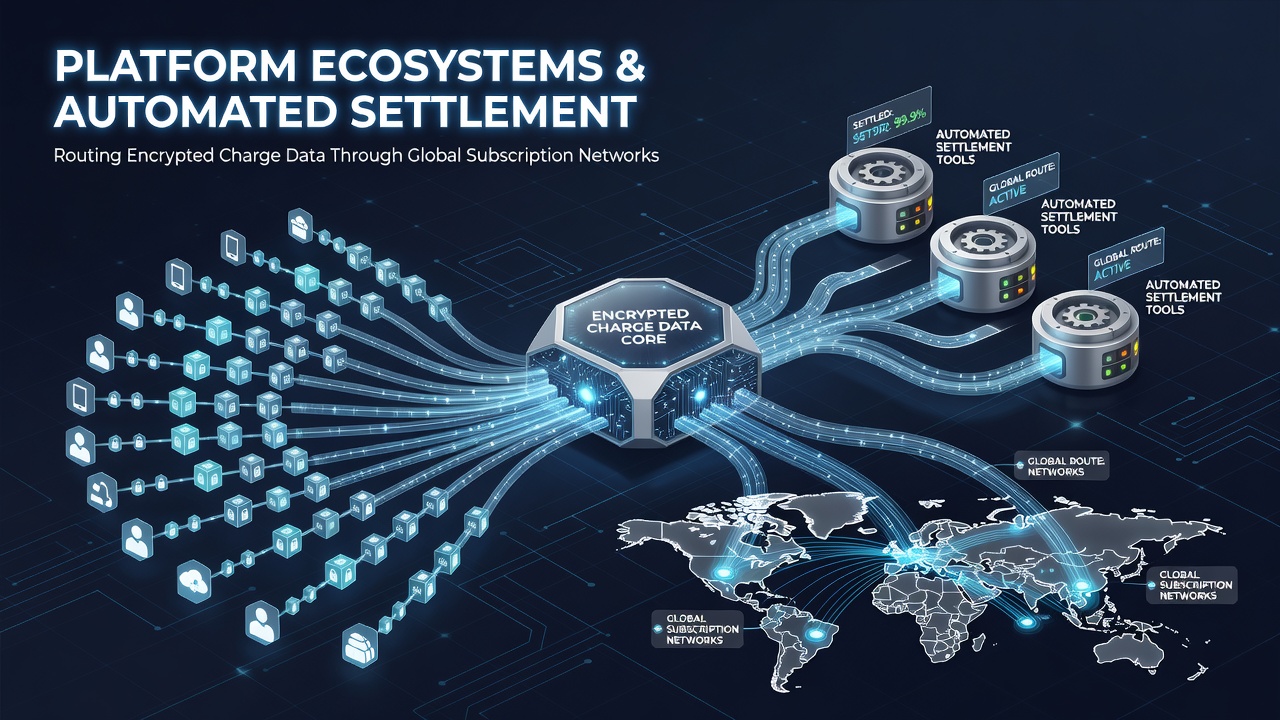
Platform ecosystems manage global subscription networks by routing encrypted charge data through layered security protocols before automated settlement tools finalize transactions across borders, and these systems rely on standardized encryption methods such as TLS 1.3 combined with tokenization to protect cardholder information during transmission between merchants, processors, and acquirers.
Core Routing Mechanisms in Subscription Platforms
Charge data enters the ecosystem when a subscriber initiates a recurring payment, at which point the platform applies end-to-end encryption that converts sensitive details into ciphertext before any network hop occurs, and routing decisions then depend on predefined rules that evaluate currency pairs, regulatory jurisdictions, and settlement windows to direct each packet to the appropriate processor node.
Automated tools monitor these routes in real time, adjusting paths when latency spikes or compliance flags appear, while data flows through virtual private networks that segment traffic by region so European transactions avoid direct exposure to servers outside GDPR boundaries and similar controls apply in other markets.
Encryption Standards and Data Protection Layers
Encryption at rest uses AES-256 within database clusters managed by the platform operator, whereas encryption in transit follows PCI DSS requirements that mandate mutual authentication between endpoints, and observers note that platforms updated these controls in September 2026 to incorporate post-quantum algorithms tested by research groups at institutions such as the National Institute of Standards and Technology.
Tokenization replaces primary account numbers with surrogate values that hold no intrinsic value outside the issuing network, allowing settlement tools to reconcile amounts without ever handling raw card data after the initial authorization step.
Automated Settlement Processes Across Borders
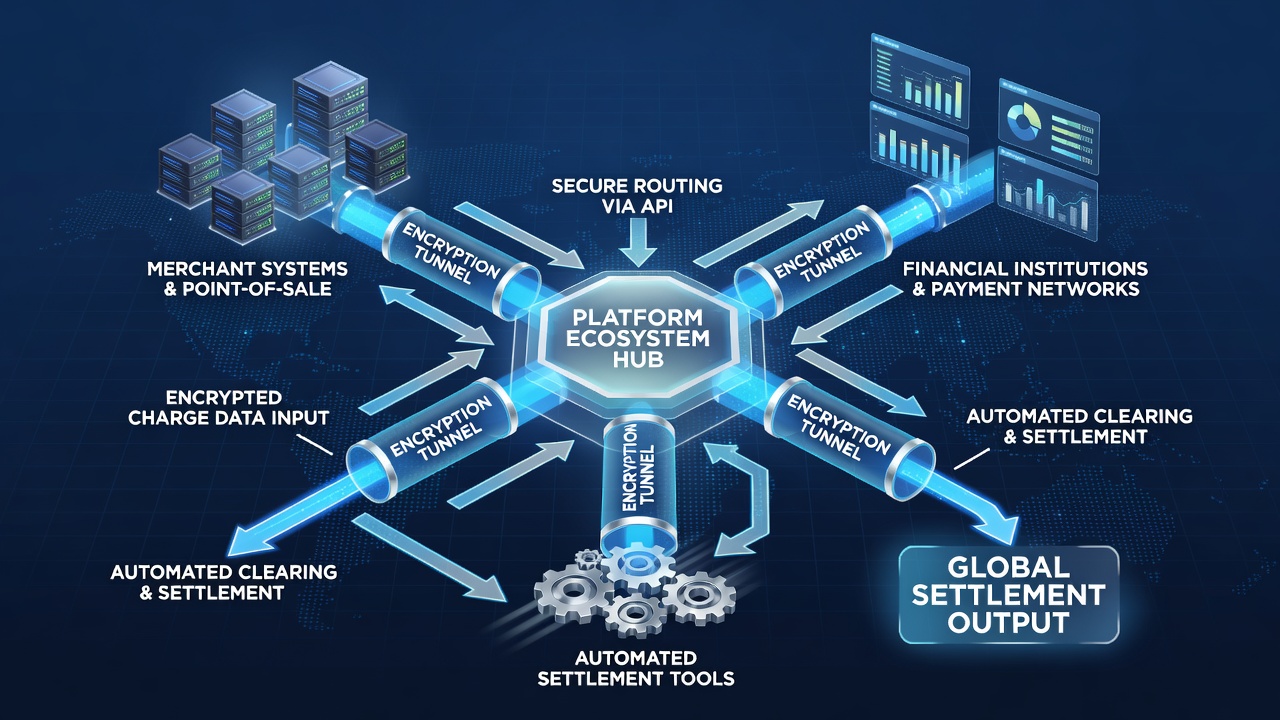
Settlement automation begins once authorization succeeds, triggering batch files that aggregate charges by currency and destination bank, then these batches move through clearing houses where algorithms calculate net positions before final transfers occur via systems such as Fedwire in the United States or TARGET2 in the eurozone.
Global subscription networks benefit from these tools because they reduce manual reconciliation cycles from days to hours, and platforms connect the settlement layer directly to their billing engines so subscriber accounts update instantly once funds clear.
One study revealed that platforms using fully automated settlement reported fewer discrepancies in multi-currency ledgers compared with hybrid manual systems, and data from the Bank for International Settlements shows rising volumes of such automated cross-border settlements between 2024 and 2026.
Integration with Platform APIs and Compliance Checks
Developers embed routing logic inside API gateways that validate each incoming charge against encryption certificates before forwarding it, and compliance engines scan metadata for indicators of high-risk jurisdictions so the system can apply additional verification steps without human intervention.
Platforms maintain audit logs that record every routing decision and encryption handoff, satisfying reporting obligations under frameworks such as the European Union's revised Payment Services Directive, and similar requirements exist in other regions that demand timestamped records of data movement.
Scalability Considerations for Growing Networks
As subscription volumes increase, platforms scale their routing infrastructure through containerized microservices that spin up additional encryption workers during peak billing periods, and automated settlement queues expand dynamically to handle thousands of simultaneous transactions without introducing delays that could affect subscriber retention metrics.
Research indicates that load-balancing algorithms prioritize routes with the lowest regulatory friction while still meeting encryption standards, which helps platforms maintain consistent performance across diverse geographic markets.
Conclusion
Platform ecosystems continue to refine the pathways that carry encrypted charge data into automated settlement tools, and these refinements support reliable operation of global subscription networks by combining strong encryption, rule-based routing, and regulatory alignment into a single operational flow that processes recurring payments at scale.