Retail Chains Map Authorization Pathways in Local Sales Networks Using Direct Hardware Links for Inventory Sync
Quinn Wolf · Oct 12, 2026
Retail Chains Map Authorization Pathways in Local Sales Networks Using Direct Hardware Links for Inventory Sync
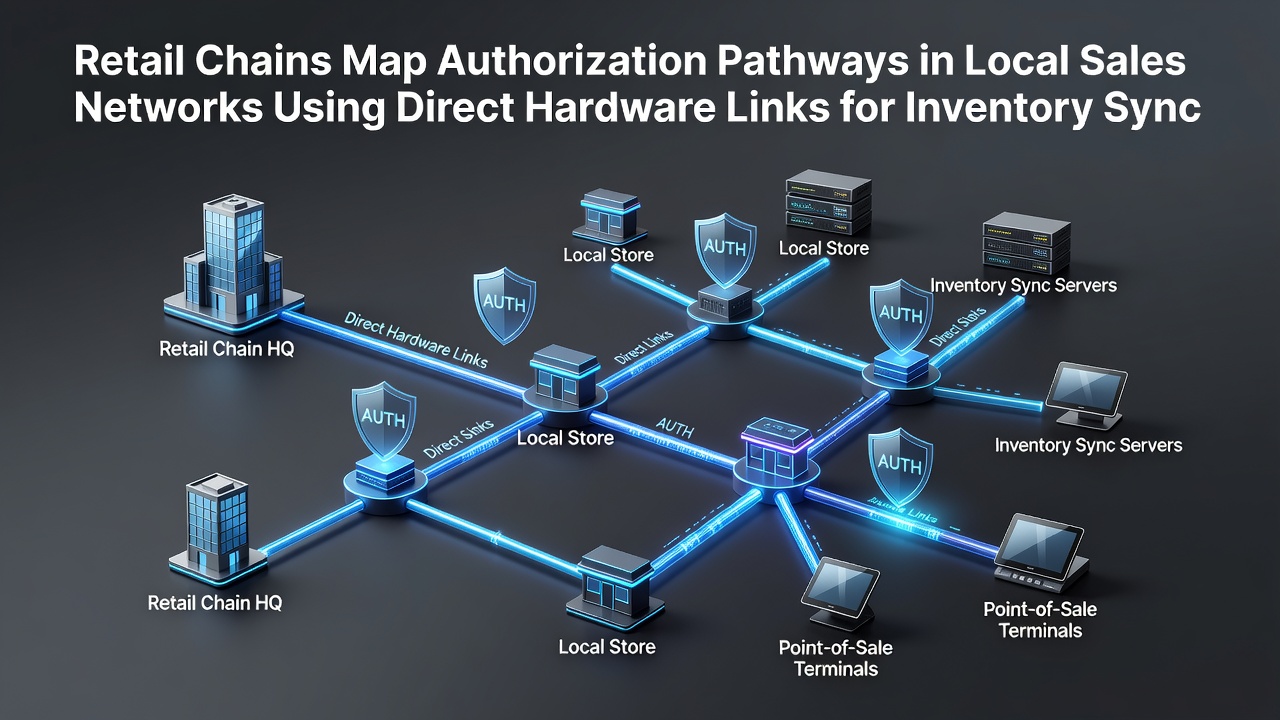
Retail chains operate extensive local sales networks where point-of-sale terminals connect through dedicated hardware pathways to central inventory systems, and these direct links enable real-time authorization of each transaction while updating stock records without intermediate network layers. Hardware connections such as Ethernet cables, serial interfaces, and dedicated fiber lines run between store devices and on-site servers, which then relay data to regional distribution hubs. This setup reduces latency compared to wireless alternatives and maintains continuous operation even during broader network disruptions. Studies from industry research groups show that chains using these configurations report fewer stock discrepancies across locations because each sale triggers an immediate inventory adjustment at the hardware level.Core Components of Hardware-Based Authorization Pathways
Point-of-sale hardware forms the entry point in these networks, with barcode scanners and receipt printers wired directly to local servers that store product databases. Authorization occurs when the server validates item availability and pricing against pre-loaded records before approving the sale. Direct links bypass cloud services for core functions, though some chains maintain optional backup connections for off-site reporting.
Inventory synchronization happens in parallel because the same hardware pathway carries both transaction approval signals and stock update commands. When a sale completes, the terminal sends confirmation data back through the cable or fiber link, prompting the server to decrement quantities and flag low-stock items for reordering. Data from retail technology audits indicate that such systems achieve update cycles measured in milliseconds rather than seconds.
Implementation Patterns Across Regional Networks
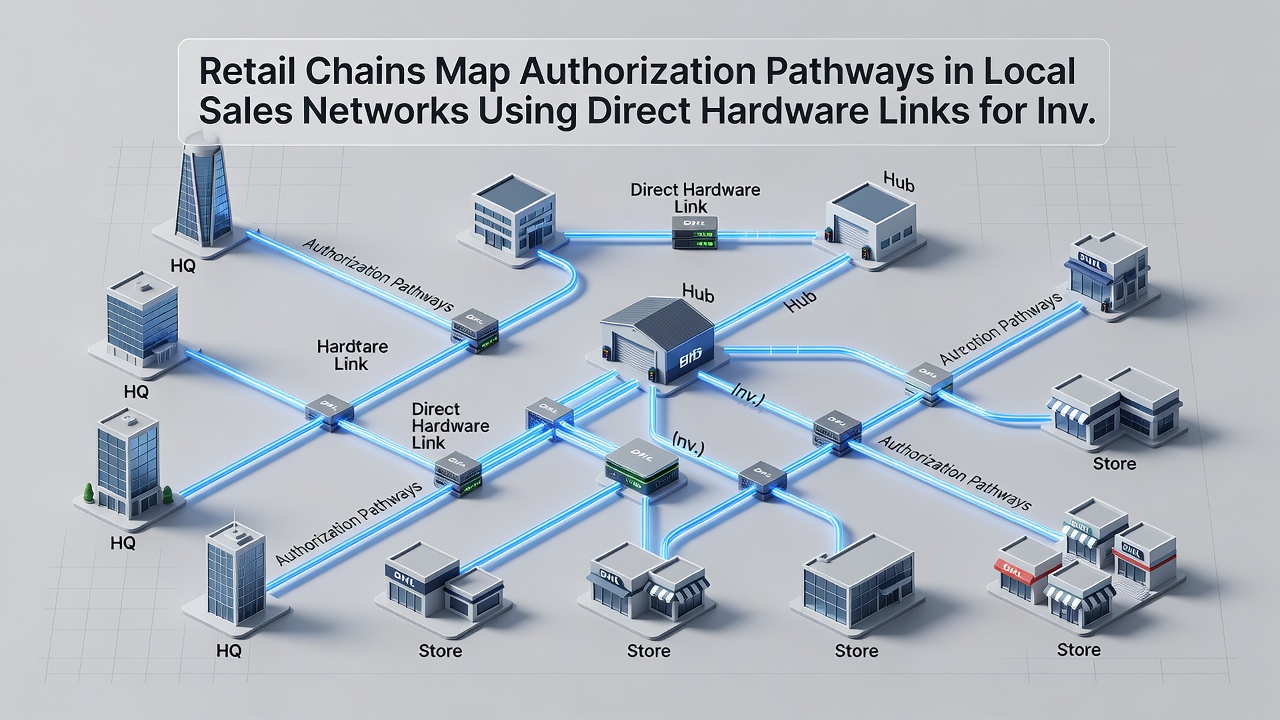
Chains with multiple outlets often deploy standardized hardware kits that include dedicated routers and interface cards installed at each location. These kits create closed local loops where sales data stays within the store until aggregated summaries move to headquarters. Observers note that European retailers following guidelines from the European Committee for Standardization have adopted similar cabling standards to ensure compatibility across borders.
In North American operations, many large grocery and department store groups map their pathways using floor plans that position servers within 50 meters of all terminals to minimize signal degradation. Technicians test each connection during rollout, measuring throughput and error rates before full activation. One documented rollout in 2025 covered 120 stores and achieved full synchronization across 85 percent of inventory categories within the first quarter of operation.
Technical Standards and Maintenance Practices
Hardware pathways rely on protocols such as RS-232 for legacy devices and modern TCP/IP over Ethernet for newer installations. Maintenance teams perform quarterly inspections that include cable integrity checks and firmware updates on interface modules. Research published by the National Institute of Standards and Technology outlines recommended practices for securing these physical links against tampering while preserving data flow speeds.
October 2026 marks the scheduled release of updated specifications from international standards bodies that address higher-bandwidth requirements for chains handling perishable goods with rapid turnover. These revisions focus on expanding fiber optic options that support simultaneous authorization requests from dozens of terminals without queue buildup.
Integration with Broader Supply Chain Systems
Local hardware networks feed summarized data into wider supply chain platforms through secure gateways at distribution centers. Warehouse management software receives nightly aggregates that reflect actual sales rather than estimates, allowing planners to adjust incoming shipments. Australian Bureau of Statistics reports on retail technology adoption highlight that chains employing direct-link inventory methods reduced overstock incidents by measurable margins between 2023 and 2025.
Regional variations appear in how chains handle peak periods. Stores in high-traffic urban areas often install redundant hardware pathways that activate automatically if primary links experience interference. This redundancy keeps authorization and sync processes uninterrupted during sales events or seasonal rushes.
Conclusion
Retail chains continue to refine authorization pathways that rely on direct hardware connections to maintain accurate inventory across local sales networks. These systems deliver transaction approvals and stock updates through physical links that prioritize speed and reliability over wireless alternatives. Ongoing standard updates scheduled for late 2026 will likely influence future hardware selections as chains expand their networks. Data collected by government statistical agencies and standards organizations provides ongoing benchmarks that retailers use when evaluating pathway performance.